

Tucson Valley Functional Medicine
Invest in Your Health and
Experience Holistic Healthcare
Experience Holistic Healthcare
Book An Appointment
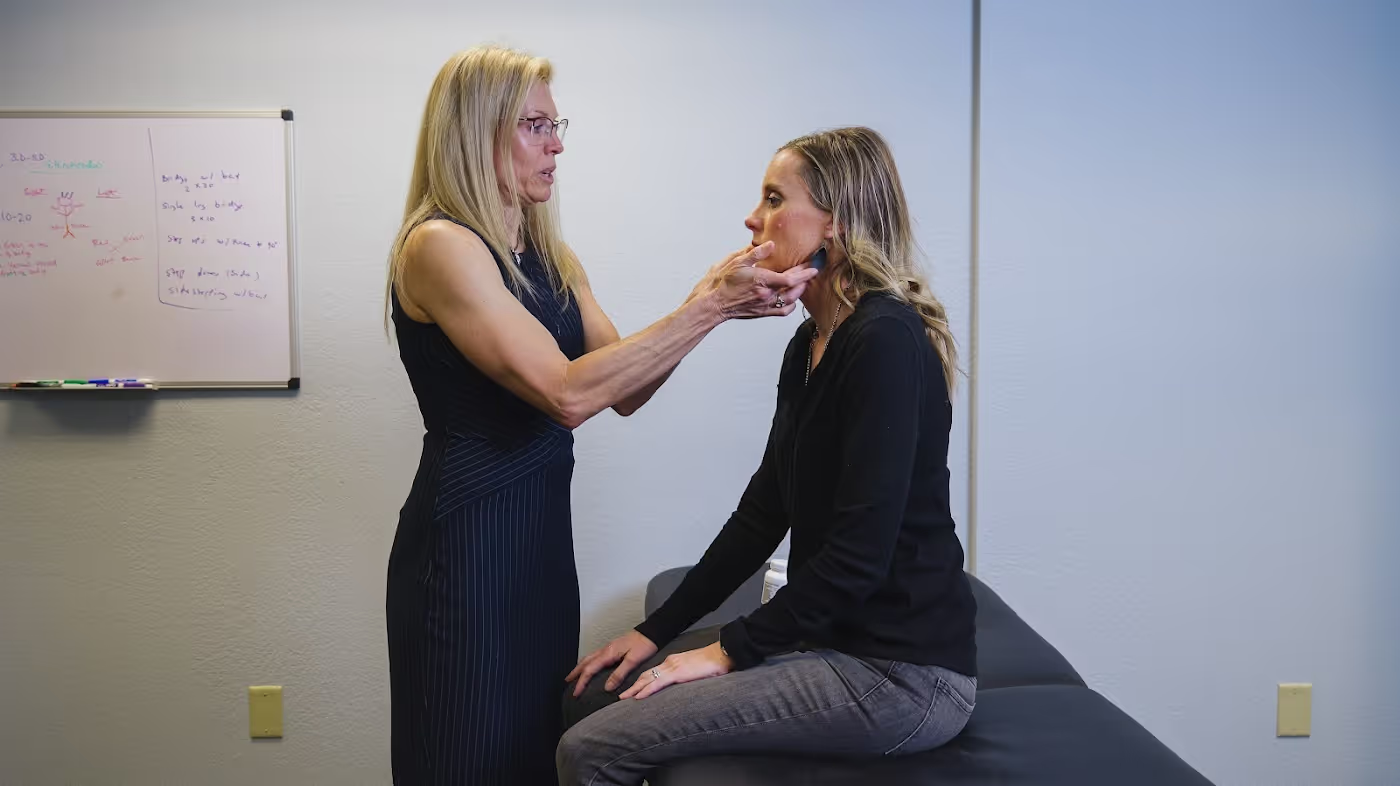
Tucson Valley Functional Medicine is a physician led practice where patients are met with time, listening, and clear communication. Dr. Shannon Bybee creates a welcoming, supportive experience that starts with understanding your story and continues with consistent follow up and guidance. Visits are designed to feel calm and unrushed, with space for questions and a focus on practical steps you can feel confident about. From the first conversation to each return visit, the goal stays the same: make care personal, respectful, and easy to understand.

Services
Years In Business
Telehealth States
Long appointment times (1 to 2.5 hours) – no more rushing in and out of an exam room
A close working relationship with your healthcare provider
In-person appointments available in our Tucson office
Telehealth appointments for people in Arizona or North Carolina

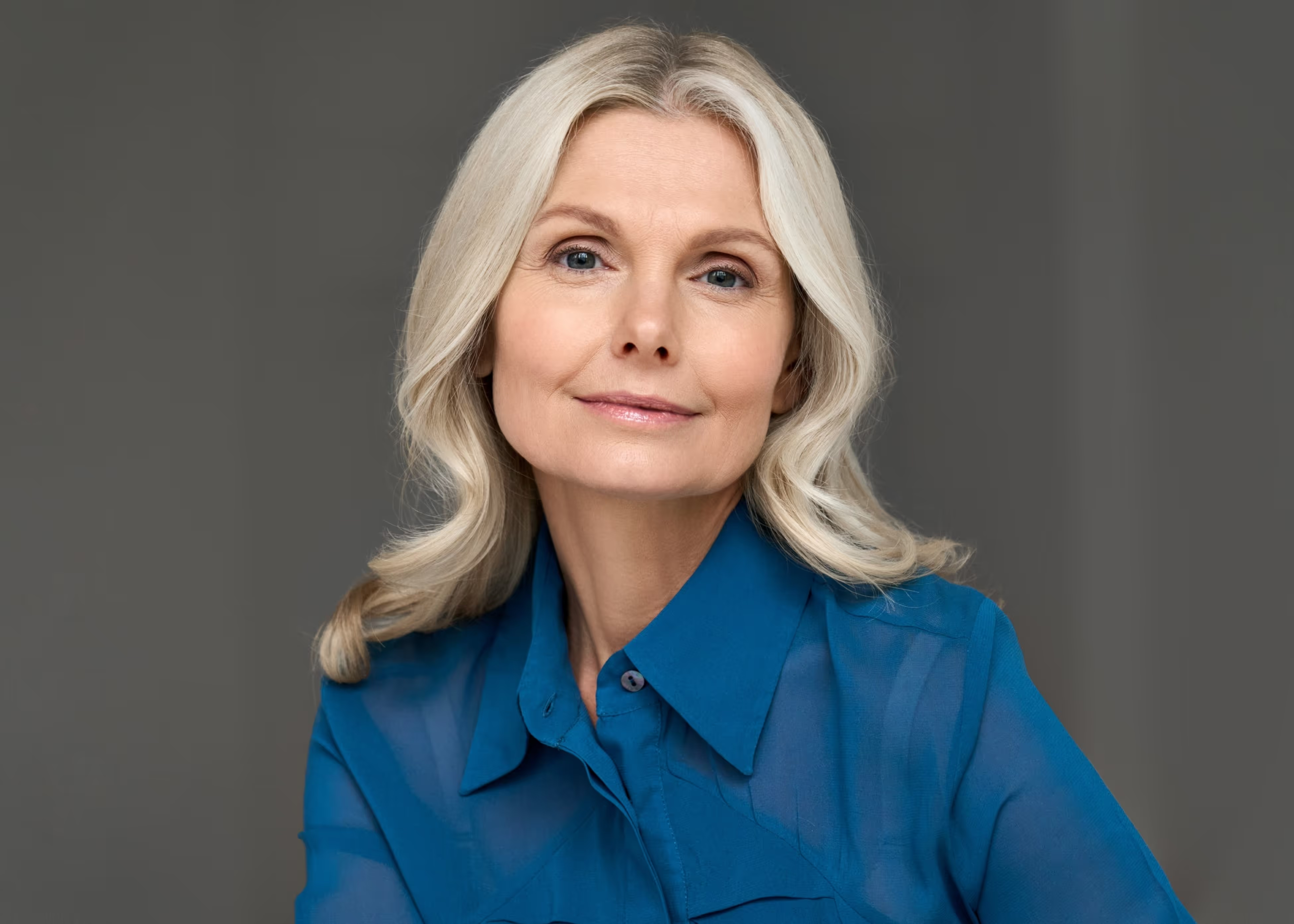
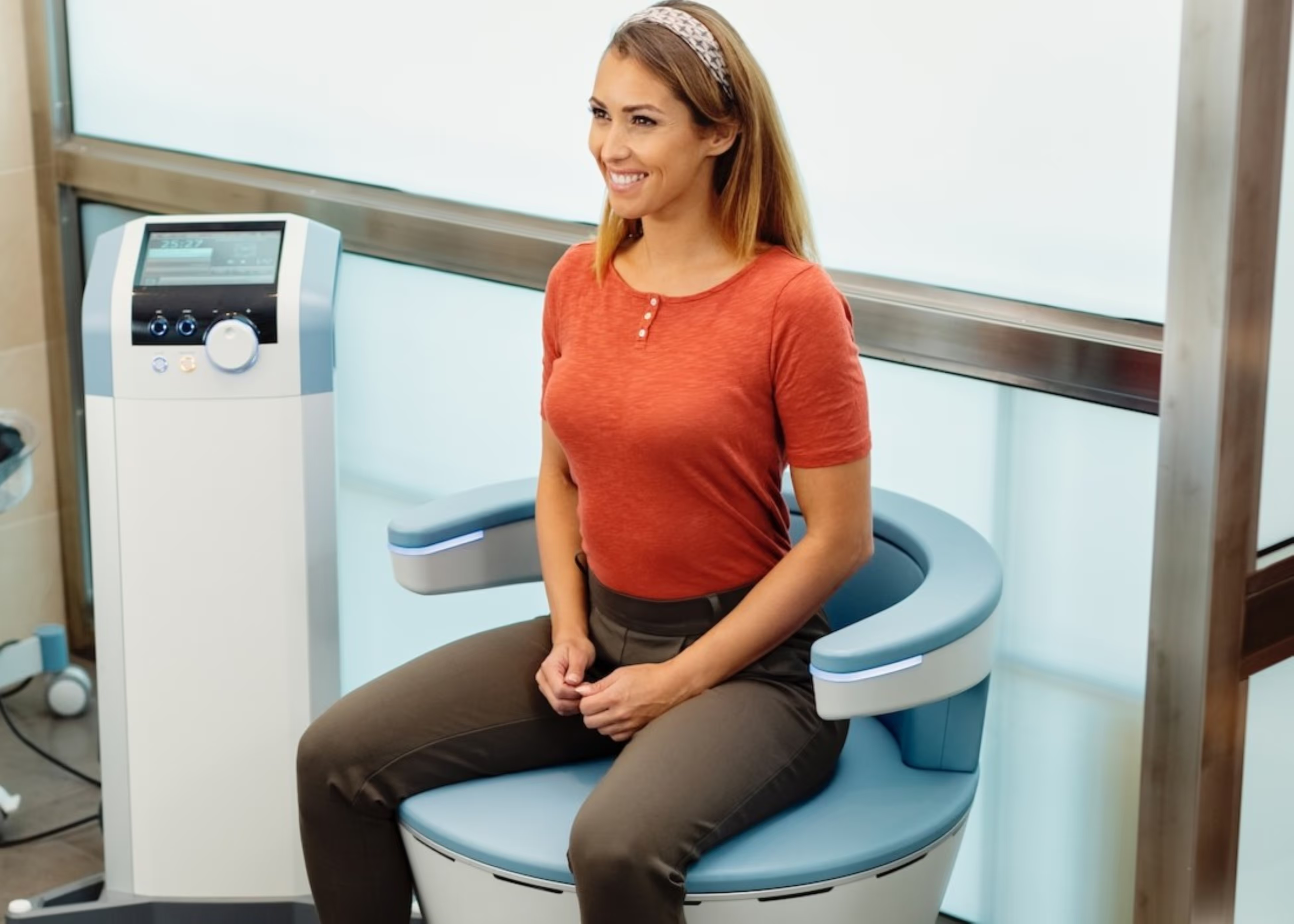

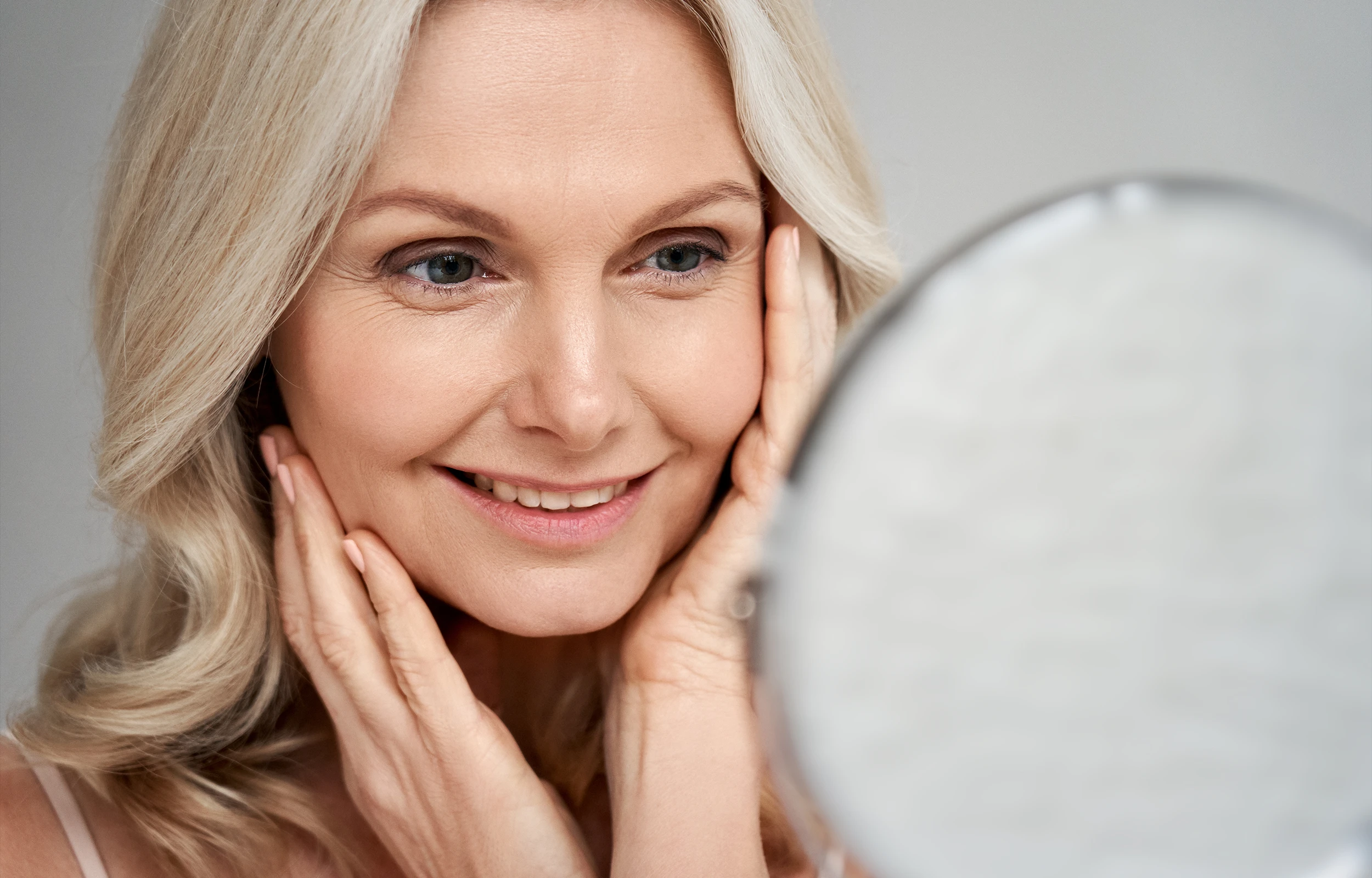
Alma OPUS Skin Rejuvenation is the non-invasive breakthrough everyone is talking about. Ready to discover the true secret to lifted, youthful skin without the pain or downtime of surgery? This cutting-edge treatment uses revolutionary RF microplasma technology to precisely address skin laxity and texture issues.
It works by gently resurfacing the skin while delivering deep heat to trigger massive new collagen production—all without a single incision. The result is significant lifting, tightening, and smoothing that restores your natural glow. If you're curious about how this modern, minimal-downtime approach can visibly firm your skin, read on to learn exactly what Alma OPUS Skin Rejuvenation can do for you.
If you’ve researched non-surgical skin treatments, you’ve likely encountered lasers or microneedling. Alma OPUS Skin Rejuvenation is different—it combines the best of both worlds to deliver surgical-quality results through a non-surgical process.
It uses super-charged Radiofrequency (RF) energy to create tiny, controlled columns of plasma at the skin’s surface. This achieves a fractional resurfacing effect, which smooths texture and addresses pigmentation. Crucially, the deep-penetrating RF energy also heats the underlying dermal layers.
This deep heat causes immediate collagen contraction (instant tightening) and signals your body to start producing new, strong collagen for long-term lifting. It’s a controlled, precise energy delivery that avoids the severe, lingering heat of traditional lasers.
The power of Alma OPUS Skin Rejuvenation lies in its versatility and its ability to deliver ablative results with non-ablative recovery. The primary appeal is the skin tightening and lifting.
It works to restore the underlying structure of the skin, resulting in noticeable firming, especially on the jawline, neck, and eyes—all without the risks or lengthy recovery associated with surgery. Furthermore, the resurfacing aspect significantly improves skin texture.
It can effectively minimize fine lines, wrinkles, and acne scars. Unlike aggressive treatments, Alma OPUS Skin Rejuvenation can safely treat delicate areas, like the under-eyes, where signs of aging often appear first. The outcome is not just lifted skin, but a visibly smoother, clearer, and more radiant complexion overall.
A typical Alma OPUS Skin Rejuvenation session is remarkably quick and comfortable. First, a topical numbing cream is applied to ensure your comfort. Once the skin is prepped, the entire procedure generally takes only 15 to 30 minutes.
During the treatment, you will feel a sensation of heat and slight pressure as the device glides across your skin. Your provider precisely controls the energy to tailor the depth of treatment to your specific needs. Since the procedure is so fast, many people fit it easily into a lunch break, proving that effective, non-surgical rejuvenation doesn’t need to consume your entire day.
This is where Alma OPUS Skin Rejuvenation truly stands out from other intense skin resurfacing treatments. Downtime is minimal, allowing you to return to most normal activities quickly. Immediately following the procedure, your skin will look and feel like it has a mild-to-moderate sunburn, but this initial redness typically subsides significantly within 24 to 48 hours.
Swelling, if present, is generally mild and resolves quickly. To ensure the best healing, you should avoid strenuous exercise, saunas, and excessive heat for the first two to three days. As the micro-injuries heal, you may notice a temporary sandpaper-like texture on your skin.
It is essential that you do not pick or scratch the treated area; the skin must be allowed to flake off naturally for optimal results. For aftercare, the golden rules are simple: moisturize and protect. Use only the gentle, hydrating products recommended by your provider, and you must diligently apply a broad-spectrum sunscreen (SPF 30+) daily, even if you are indoors. You can typically apply mineral makeup to cover any remaining redness after 24 to 48 hours, letting you get back to your social life with confidence.
If you are frustrated by mild to moderate skin laxity, fine lines, or textural irregularities and want noticeable improvement without the risk and recovery time of surgery, Alma OPUS Skin Rejuvenation is an excellent solution.
It is safe for almost all skin types and can be used on the face, neck, décolleté, and other areas of the body. The best way to determine your candidacy is through a personal consultation with a qualified provider.
Alma OPUS Skin Rejuvenation delivers on its promise: it is the powerful, new way to achieve lifted, tighter, and smoother skin. It provides dramatic, non-surgical results with minimal interruption to your busy schedule.
Ready to experience the next generation of skin tightening? Contact us today to schedule your complimentary consultation and find out how Alma OPUS Skin Rejuvenation can revitalize your look.
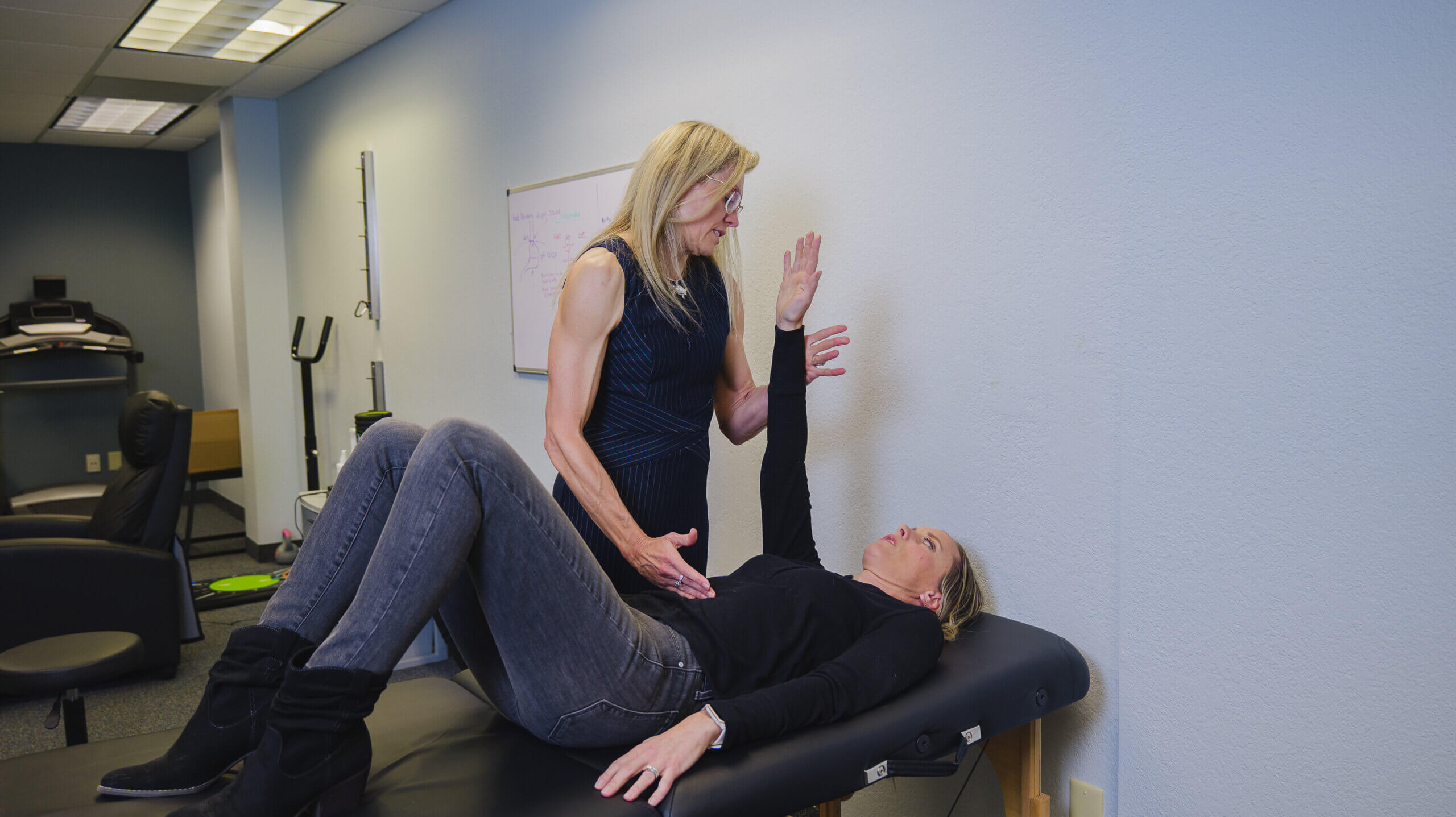
Exercise therapy is an important component of a healthy lifestyle intended to encourage weight loss, prevent illness, or manage existing conditions. If you’ve never engaged in serious efforts to exercise before, it’s best to consult a medical provider. One thing you’ll want to watch out for is dehydration and electrolyte imbalances.
When your body loses more fluids than it takes in (such as through sweating, vomiting, and urination), you become dehydrated. Not drinking enough fluids is one common cause, but some people become dehydrated more easily. For example, some medications can cause dehydration, as can being ill. If you’re feeling thirsty, you’re already feeling the signs of dehydration. It can also cause a headache, dizziness, fatigue, muscle cramps, and dark-colored urine.
Electrolytes are a crucial part of keeping the body hydrated. Electrolytes are minerals like sodium, potassium, calcium, magnesium, and phosphate. Electrolytes are important for preventing dehydration because they help balance the amount of fluids in your body, maintain an ideal pH balance, and move waste out of the cells (and nutrients into them). An electrolyte imbalance occurs when you have too little or too much of one or more electrolytes. For example, if you’re dehydrated or overhydrated, you can have an electrolyte imbalance.
To reduce the risk of dehydration and electrolyte imbalances, it’s important to sip water frequently throughout the day. Increase your intake of fluids during exercise therapy, in hot weather, and when ill. You should drink enough so that your urine is pale yellow. Your healthcare provider may also recommend using electrolyte supplements (like LMNT or ReLyte).
It’s crucial to stay well-hydrated every day, especially before, during, and after exercise therapy. However, there is such a thing as being too well-hydrated. Known as water intoxication or water poisoning, this condition is serious and may be fatal. When you have so much water in your system that your kidneys cannot excrete it, the electrolytes in your body become diluted, leading to hyponatremia. As sodium levels are depleted, fluid moves inside the cells and causes inflammation. Drinking an excessive amount of water, such 48 oz. within an hour, can cause water intoxication. However, it’s important to note that this threshold can be different for everyone. If your urine is clear, rather than pale yellow, then you’re consuming too much water.
Although you do need to be especially cautious to stay well-hydrated during exercise therapy, there are other times at which fluid intake is a particular concern. For example, if you have a session scheduled for frequency-specific microcurrent (FSM) therapy, it’s recommended that you consume one quart of water in the hour leading up to your appointment, as this promotes best results from the treatment.
If you’re someone who is prone to dehydration, it can be beneficial to consume more than one quart. However, again, be cautious not to trigger water intoxication by drinking more than 1.5 quarts (48 oz.) in an hour.
Similarly, massage therapy can be an important part of an overall treatment plan for patients managing chronic illness, athletes seeking better recovery, those with chronic injuries, and many other types of patients. It’s important to stay well-hydrated before and after your massage, as this will help flush out the lactic acid and toxins released by the massage.
If you’d like to learn more about how to better care for your health and invest in a brighter future for yourself, consider becoming a patient at Tucson Valley Functional Medicine. Dr. Bybee focuses on preventive wellness through sound nutrition counseling, as-needed supplements, peptide therapy, and other healthcare services. Connect with Dr. Bybee at DrBybee@TVFunctionalMedicine to discuss becoming a patient.

One of the common misconceptions about alternative healthcare is that it lacks scientific validation. In fact, many treatment modalities that alternative healthcare providers use are evidence-based and clinically proven. Peptide therapy, for example, has been researched extensively and has been used for decades.
Peptide therapy can be helpful for many types of patients, as it supports the body’s natural healing response, regulates hormone balance, boosts the immune system, and even enhances athletic performance. Here’s a look at what you should know about including peptide therapy into your alternative healthcare regimen.
Even if you think you’ve never heard of peptide therapy before, there’s actually a good chance you have. The first peptide to be synthesized—all the way back in 1921—was insulin, which is well-known for its role in managing diabetes. Since that time, there have been significant advances made in the field of peptide therapy, with dozens of therapeutic peptides developed.
Peptides, which are chains of multiple amino acids, naturally occur in human cells. In fact, there are at least 7,000 naturally occurring peptides identified so far. They serve as signaling molecules within the body. Although peptides naturally occur, the body begins to produce fewer of them after about age 30. This highlights the natural aging process of the cells, in which their ability to function properly begins to diminish.
By introducing therapeutic peptides to patients, alternative healthcare practitioners can accomplish a number of goals—from improving and modulating hormone synthesis to bolstering immune function to supporting the sleep cycle. Peptide therapy can even support the production of inflammatory mediators, which are necessary to curb chronic, systemic inflammation, and they support the healing and proper functioning of a range of bodily systems and components.
Only your provider can determine if peptide therapy is definitely a good option for you. If you choose to become a patient at Tucson Valley Functional Medicine, Dr. Bybee will evaluate the results of your medical tests and conduct a thorough investigation of your health history, diagnoses, and symptoms to determine if peptide therapy is appropriate for you.
In general, you may be a good candidate for peptide therapy if you suffer from a chronic illness, as peptide therapy can modulate the immune system and facilitate its proper functioning. Peptide therapy can also benefit patients who are interested in improving athletic performance, building muscle mass, or improving energy levels. Peptides can even promote the faster healing of injuries.
Peptide therapy offers many potential benefits, including:
If you’re interested in discovering whether peptide therapy could be appropriate and beneficial for your health, contact Tucson Valley Functional Medicine. Dr. Shannon Bybee administers peptide therapy for her patients in Arizona and North Carolina, along with a full suite of other alternative healthcare services. You can email Dr. Bybee at DrBybee@TVFunctionalMedicine.com to discuss becoming a new patient.


.avif)

Complete the form below and our team will respond within 24 hours.